
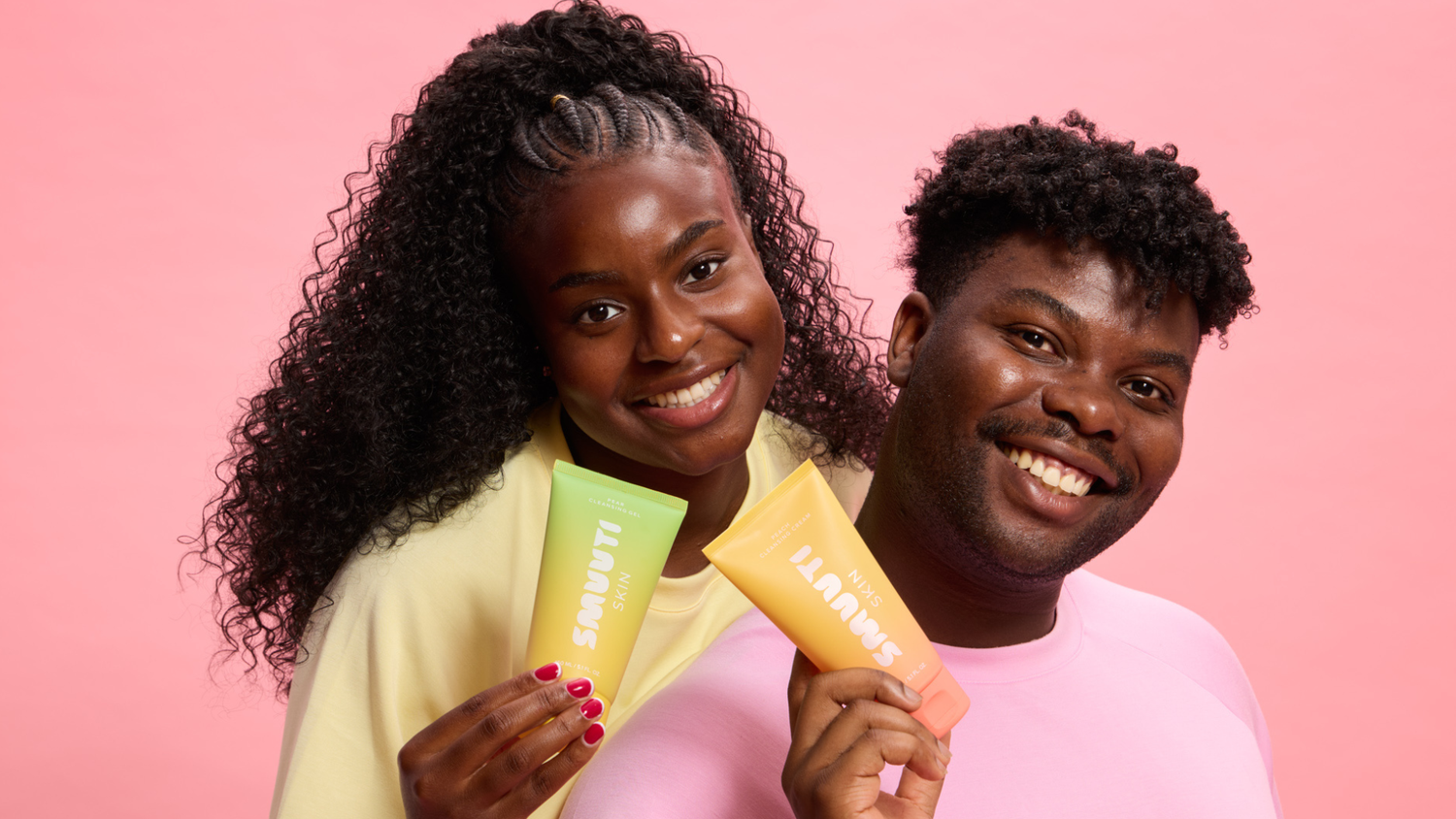
Let's be honest — cleansing is the step everyone thinks they've got figured out. Splash some water, maybe a bit of face wash, done. But if your skin still feels off after a full day of sunscreen, makeup, and general life, chances are your cleansing routine needs a glow-up too.
Here's everything you need to know about cleansing, the different cleanser types, why double cleansing matters and how to actually get it right.
Why Cleansing Actually Matters
Cleansing isn't just about "getting clean." It's the step that determines how well everything else in your routine actually works. Toners, serums, moisturizers — none of them can do their job properly if your skin is still covered in sunscreen, sweat, oil and the day's buildup underneath.
Skip a proper cleanse, and you're basically layering good products on top of a barrier they can't get through.
Cleanser Types explained
Not all cleansers are built the same. Here's a quick breakdown of the main types and what each is actually good for:
-
Balm cleansers: Melt away sunscreen, makeup and excess oil on contact — the stuff water alone can't touch. Usually the first step of a double cleanse.
- Gel cleansers: Lightweight and refreshing, great for oily or combination skin, and gentle enough for daily use without leaving a heavy residue.
- Foam cleansers: Whip up into a light lather for a thorough second cleanse, especially good after a balm cleanser.
- Cream cleansers: Gentle and hydrating, ideal for dry or sensitive skin that needs cleansing without stripping moisture.
Knowing the difference matters, because using the wrong type for your skin (like a foaming cleanser on dry skin, or a heavy cream cleanser that leaves oily skin greasy) can undo the rest of your routine before it even starts.

The Double Cleanse Method
As a K-beauty brand, there's one rule we live by: one cleanser isn't always enough.
Double cleansing means using two different cleansers, each doing a different job:
- Balm cleanser first: This breaks down sunscreen, makeup, and excess oil. The stuff water alone can't fully remove.
- Gel, foam or cream cleanser second: This clears out sweat, dirt and anything left behind, without stripping your skin.
🍐 Double Cleansing Duo For Oily/Combo Skin
🍑🍉 Double Cleansing Duo For Normal/Dry Skin
🍉 Watermelon Double Cleansing Duo for Normal Skin
The result: skin that's actually clean, not just surface-rinsed. It's especially worth doing on days you've worn sunscreen or makeup. You don't necessarily need it every single time, like on a bare-skin morning.
Common Cleansing Mistakes
A few things that quietly sabotage even a good routine:
- Over-cleansing: More isn't always better. Cleansing too often (or with something too harsh) can strip your skin's natural barrier, leading to more breakouts, not fewer.
- Skipping cleanser for a "makeup wipe only" routine: Wipes move things around more than they remove them.
- Using hot water: It feels satisfying, but it can dry out your skin. Lukewarm is the sweet spot.
- Rushing it: 60 seconds of actual massage time makes a bigger difference than people expect.
- Using the wrong cleanser type for your skin: See the breakdown above. This is often the real reason a "good" cleanser doesn't feel like it's working.
How to Choose the Right Cleanser for Your Skin
- Oily or acne-prone skin: Gel or foam cleansers clean without over-drying. Over-stripping oily skin often backfires and triggers more oil production.
- Dry or sensitive skin: Cream cleansers clean without disrupting your moisture barrier.
- Combination skin: A balanced, low-pH gel cleanser works well across the board.
- Anyone wearing sunscreen or makeup regularly: Start with a balm cleanser, then follow up with a gentle gel or foam.

The Bottom Line
Cleansing is the most underrated step in any routine — not because people don't do it, but because most people don't do it well, or don't know which cleanser type actually suits their skin. Get this step right, and everything else you put on your skin actually gets the chance to work.